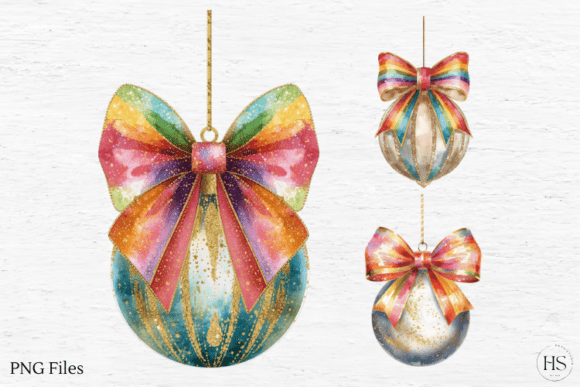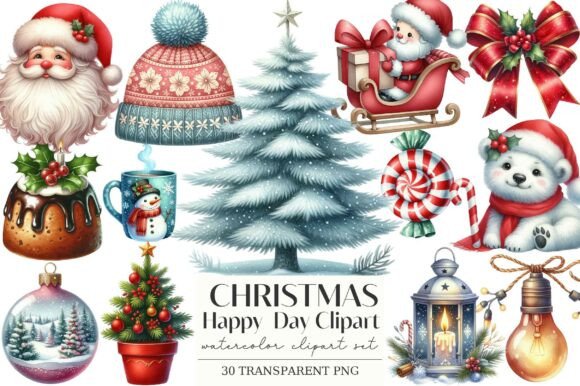
Christmas Happy Day Clipart for Modern Illustrations
When I first pulled up the Christmas Happy Day Clipart folder on my desktop, I wasn’t just looking at a collection of images; I was evaluating a potential solution for a client’s Q4 branding crisis. As a graphic designer who frequently juggles brand identity work alongside high-volume digital product creation, my eye is trained to spot assets that are either production-ready or likely to cause headaches down the line. This particular set of illustrations caught my attention because it strikes a rare balance between festive cheer and versatile design utility.
The client in question runs a boutique handmade candle company launching a limited-edition holiday collection. They needed packaging elements that felt warm, approachable, and distinctly modern, without leaning into the cliché, overly ornate styles that plague so many seasonal campaigns. After spending some time manipulating these files in Illustrator and placing them into various mockups, here is my honest assessment of how this graphic design asset performs in a real-world professional context.
First Impressions and Visual Mood
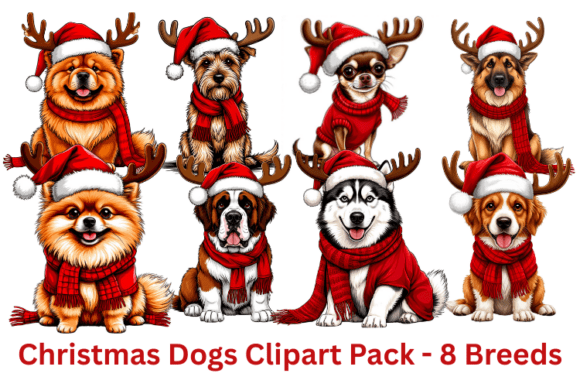
The immediate mood conveyed by this clipart is one of relaxed celebration. Unlike traditional Christmas imagery that often relies on heavy reds, deep greens, and intricate snowflake patterns, this set feels lighter. The lines are clean, the compositions are balanced, and there is a distinct "hand-drawn" quality that suggests authenticity—a key driver for today’s consumer, especially in the handmade business sector.
For a brand identity project, this visual language works exceptionally well. It avoids the starkness of corporate minimalism while still maintaining enough structure to be scalable. The style fits naturally into modern design trends that favor personality over perfection. Whether you are designing for a local bakery, an online Etsy shop, or a small business branding package, the emotional appeal here is strong. It invites the viewer in rather than shouting at them, which is crucial for building visual trust with your audience.
Real-World Application in Client Projects
In my workflow, versatility is king. An asset that only looks good on a 1080x1080 Instagram post is of limited value. However, this design bundle proves its worth across multiple mediums. Here is how I see it performing in specific scenarios:
- Packaging Design: When applied to gift tags, wax seals, or box inserts, the clipart adds a tactile feel to digital designs. The clean edges ensure that when printed, the details remain crisp even on textured paper stocks.
- Social Media Graphics: For marketing visuals, these elements serve as perfect anchors. You can pair them with bold typography for promotional posts about holiday sales or use them as decorative accents in Pinterest pins to drive traffic to a blog or store.
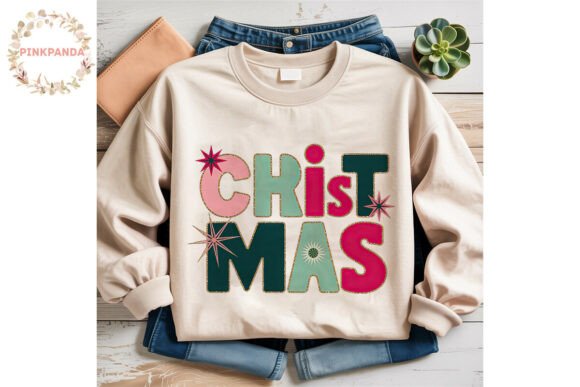
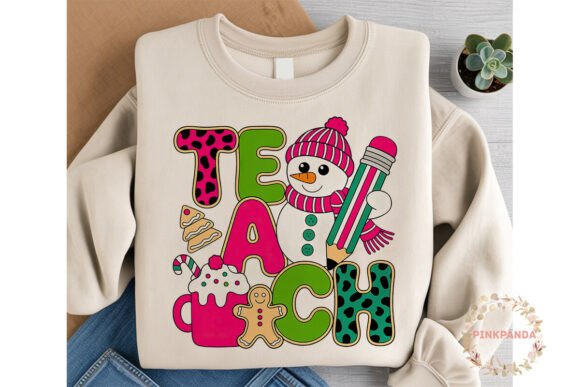
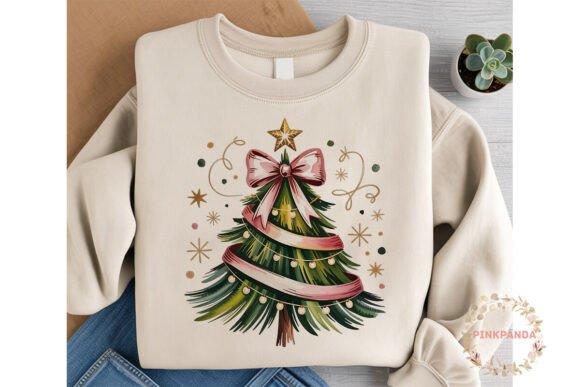
- Merchandise and Print-on-Demand: If you are a print-on-demand seller, the scalability of these vectors is impressive. I tested resizing them for t-shirt designs and mug prints, and the line weights held up well. They translate effectively to sublimation design projects where color fidelity and edge definition are paramount.
- Cricut and DIY Projects: For crafters using cutting machines, the file structures (assuming standard SVG formats) are logical. Layers are often grouped intuitively, making it easier to separate elements for multi-color cuts. This is a huge time-saver for anyone producing sticker design sheets or t-shirt design files for customers.
Strategic Placement and Hierarchy
Knowing what an asset looks like is only half the battle; knowing where to put it is the other half. In terms of visual hierarchy, this clipart excels as a supporting element or a hero graphic in large layout areas. It provides enough visual weight to stand alone but has enough negative space to allow text to breathe.
I found it particularly effective when used as a product mockup background element. By lowering the opacity slightly or applying a subtle texture overlay, the clipart creates depth without competing with the main product shot. This technique enhances the overall impression of a design project, making it look curated and professional rather than generic.
However, caution is advised. In crowded layouts or complex backgrounds, this asset can become visually noisy. If your design already features busy patterns or heavy typographic blocks, adding these illustrations might dilute the message. Similarly, for professional corporate materials or projects requiring very clean minimalist branding, the playful nature of the clipart might clash with the desired tone. It is best reserved for lifestyle brands, creative agencies, retail marketing, and editorial design pieces that aim for warmth and engagement.
Technical Considerations for Designers
Before committing to any commercial license or integrating these files into a final deliverable, there are several technical checks every designer should perform. Ignoring these steps can lead to costly reprints or licensing disputes.
- File Format Inspection: Always verify if you are receiving a PNG design with transparency or a vector-based SVG design. For client work involving print, vectors are non-negotiable for scalability. Check the PNG transparency if included to ensure no white boxes appear behind the artwork.
- Contrast and Readability: Test the asset in black and white. This helps determine if the shapes hold their integrity without color reliance. Also, preview it on both light and dark backgrounds to ensure sufficient contrast. A design that fails here will struggle in web design contexts.
- Typography Pairing: Experiment with font combinations. These illustrations pair beautifully with serif font styles for a classic, elegant look, or script font and handwritten font styles for a more personal, artisanal vibe. Avoid pairing them with overly rigid sans serif font choices unless you are aiming for a specific juxtaposition. Display fonts can also work well for headlines.
- Print Quality Test: Never assume screen resolution equals print readiness. Place the asset on a real physical mockup or print a test page at actual size. Look for jagged edges or pixelation that might not be visible on a monitor but will ruin a packaging design.
- Licensing Verification: Confirm the commercial license terms explicitly. Does it allow for unlimited end-products? Can it be used in Etsy products or resold as part of a design asset pack? Clarifying this upfront protects your reputation and your client’s legal standing.
Final Verdict
Ultimately, the Christmas Happy Day Clipart set is a robust addition to any designer’s toolkit. It bridges the gap between whimsical illustration and functional design asset. For content creators, bloggers, and small business owners, it offers a shortcut to polished aesthetics without sacrificing originality. While it requires thoughtful placement to maintain visual hierarchy, its adaptability across digital ads, editorial design, and physical merchandise makes it a valuable investment.
If you are looking to elevate your seasonal campaigns with assets that feel genuine, modern, and professionally crafted, this set delivers. Just remember to do your due diligence on file specs and licensing, and you will find it integrates seamlessly into even the most demanding client workflows.