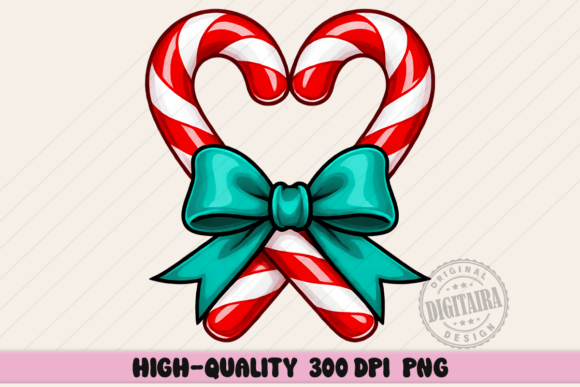
Christmas Candy Cane with Bow Png: A Review for Illustrations
In the world of digital publishing, visual assets are not merely decorative; they are functional tools that drive engagement, establish brand identity, and guide reader behavior. As a blog designer and digital publisher who has spent years refining editorial layouts and optimizing content performance, I approach every new graphic design asset with a critical eye. Today, I am reviewing the Christmas Candy Cane with Bow Png, a seasonal illustration that promises to add a touch of festive charm to your content marketing efforts. This review focuses on its practical application in real-world publishing workflows, from affiliate marketing pages to newsletter headers.
First Impressions and Editorial Mood
When you first load the Christmas Candy Cane with Bow Png into your design workspace, the immediate takeaway is its clean, crisp aesthetic. The PNG format ensures that the background is transparent, allowing this illustration to integrate seamlessly into any layout without awkward white boxes or conflicting color clashes. The design strikes a balance between playful and polished, making it suitable for a wide range of niches including lifestyle blogging, small business branding, and creative entrepreneurship.
The inclusion of the bow adds a layer of sophistication, elevating the candy cane from a simple holiday icon to a more deliberate design element. This suggests a mood that is warm, inviting, and slightly feminine, yet professional enough for serious content creators. It feels modern rather than nostalgic, which is crucial for websites aiming to appear current and trustworthy. For editors looking to inject seasonal spirit without compromising their brand identity, this asset offers a versatile solution that enhances visual hierarchy without overwhelming the text.
Practical Applications in Content Publishing
The true value of a design asset lies in its versatility across multiple platforms. Here is how the Christmas Candy Cane with Bow Png can be utilized in your daily publishing routine:
- Blog Featured Images: Use the illustration as an accent in your featured images to signal holiday-themed posts. It helps readers quickly identify seasonal content, improving category recognition and click-through rates.
- Pinterest Pins: Pinterest is a visual search engine where aesthetics drive traffic. Pair this PNG with bold typography on a solid background to create eye-catching pins that stand out in crowded feeds.
- Newsletter Graphics: Add a festive header or footer to your email campaigns. A subtle candy cane graphic can increase open rates by creating a sense of timely relevance and care.
- Digital Guides and eBooks: If you are creating downloadable resources like worksheets or digital guides, use this asset on the cover page to enhance appeal. It signals that the content is curated and designed with attention to detail.
- Social Media Posts: Whether for Instagram stories or Facebook updates, this illustration serves as a perfect social media graphics element to break up text-heavy posts and add visual interest.
- Affiliate Marketing Pages: When promoting holiday gifts or seasonal products, use the graphic to decorate product comparison tables or call-to-action buttons, making the affiliate content feel less salesy and more editorial.
Enhancing Visual Hierarchy and Reader Trust
One of the most significant challenges in web design is maintaining a clear visual hierarchy. Readers scan content before they read it, and strong visuals help guide their eyes to key information. The Christmas Candy Cane with Bow Png supports this by acting as a visual anchor. Its distinct shape and color contrast naturally draw attention without requiring loud colors or complex compositions.
Furthermore, consistent use of high-quality illustrations builds reader trust. A website that looks professionally designed suggests that the content within is equally well-researched and valuable. By integrating this asset into your web design strategy, you demonstrate a commitment to quality. This is particularly important for content marketing strategies where credibility directly impacts conversion rates and audience loyalty.
Strategic Placement and Layout Considerations
To maximize the impact of this creative design, strategic placement is key. Here are specific areas where this asset shines:
- Hero Images: Place the candy cane in the corner of your hero image to frame the headline text, adding depth without obscuring the main message.
- Article Thumbnails: Use it as a small icon next to article titles in sidebar widgets to indicate holiday-related posts.
- Editorial Accents: Scatter small versions of the graphic throughout long-form articles to maintain visual rhythm and prevent reader fatigue.
- Lead Magnets: Incorporate it into free checklists or printables to boost perceived value and encourage email sign-ups.
However, caution is advised in certain contexts. Avoid using this asset in small mobile thumbnails where details may become indistinct. Similarly, steer clear of placing it on low-contrast backgrounds or busy layouts where it might get lost. For serious professional niches such as corporate finance or legal advice, the playful nature of a candy cane may undermine the authority of your site. In these cases, a more minimal visual system is preferable.
Technical Publisher Notes for Optimization
Before deploying the Christmas Candy Cane with Bow Png across your digital properties, consider these technical best practices:
Screen Testing: Always preview the asset on both desktop and mobile screens. Ensure it scales appropriately and maintains its clarity at different resolutions.
Thumbnail Preview: Check how the image appears when reduced to thumbnail size. If it becomes pixelated or unrecognizable, consider simplifying the usage or selecting a higher-resolution version.
Layout Integration: Test the graphic inside a real blog layout. Does it clash with your existing color palette? Does it disrupt the flow of text? Adjust opacity or size as needed to ensure harmony.
Typography Pairing: Experiment with different font styles alongside the illustration. Try pairing it with serif fonts for a classic look, sans-serif for modernity, script fonts for elegance, or display fonts for impact. Observe how the combination affects readability and aesthetic appeal.
Contrast and Readability: Ensure sufficient contrast between the graphic and its background. Poor contrast can make the image difficult to see, reducing its effectiveness.
Black and White Test: View the asset in grayscale to check its structural integrity. If the design relies too heavily on color for definition, it may lose impact when printed or viewed in monochrome.
Font Style Comparison: Place the graphic beside various font styles—serif, sans serif, script, handwritten, and display—to determine the best typographic companion for your brand voice.
File Size and Performance: Review the file size to ensure it does not slow down your website. Compress images properly using tools like TinyPNG or ImageOptim to maintain fast load times, which is critical for SEO and user experience.
Licensing Verification: Confirm the commercial license terms before using the asset on monetized websites, affiliate pages, or paid content products. Ensure you have the right to use the illustrations for commercial purposes to avoid legal issues.
Conclusion
The Christmas Candy Cane with Bow Png is a versatile and high-quality graphic design asset that can significantly enhance the visual appeal of your content. Whether you are updating your website header, creating Pinterest pins, or designing a lead magnet, this illustration offers a professional and festive touch. By following the practical tips outlined above, you can leverage this asset to improve your brand identity, engage your audience, and achieve better results in your content marketing and affiliate marketing initiatives. Remember, great design is not just about looking good; it is about communicating effectively and building trust with your readers.